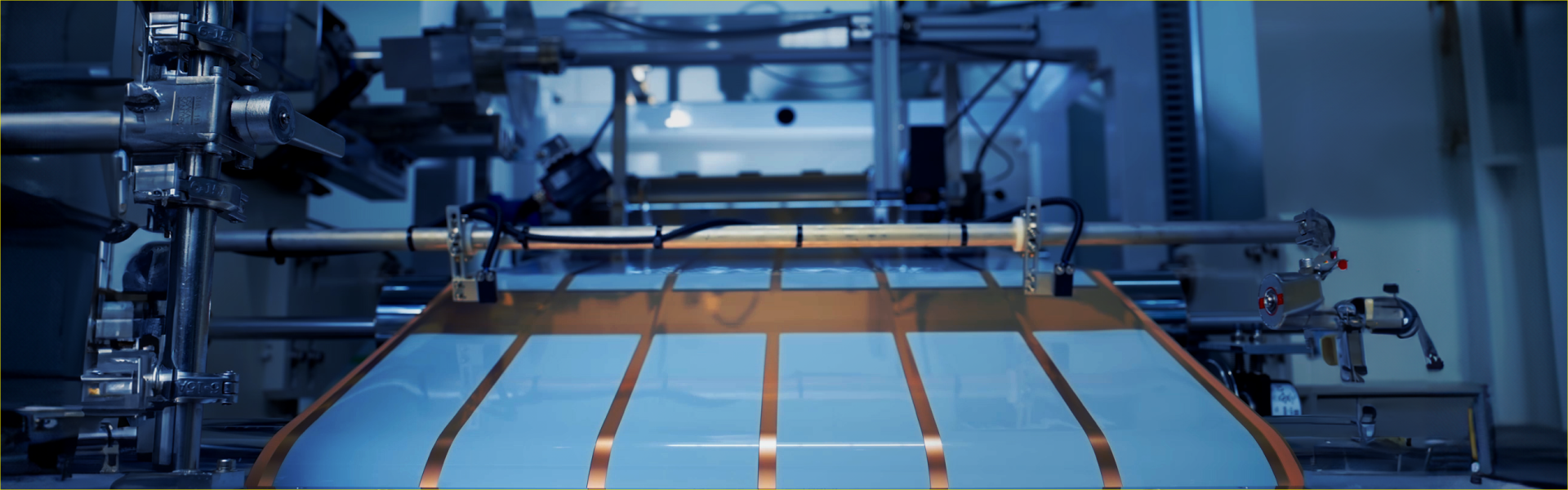
• Manufacturing Proven at GWh Scale

Proven at GWh
Scale

Proven at GWh Scale

From Taiwan’s Taoke Gigafactory, the world’s first solid-state
battery gigafactory, to a second gigafactory under
construction in Dunkirk, France, ProLogium is scaling solid-
state manufacturing from pilot line to industrial volume.
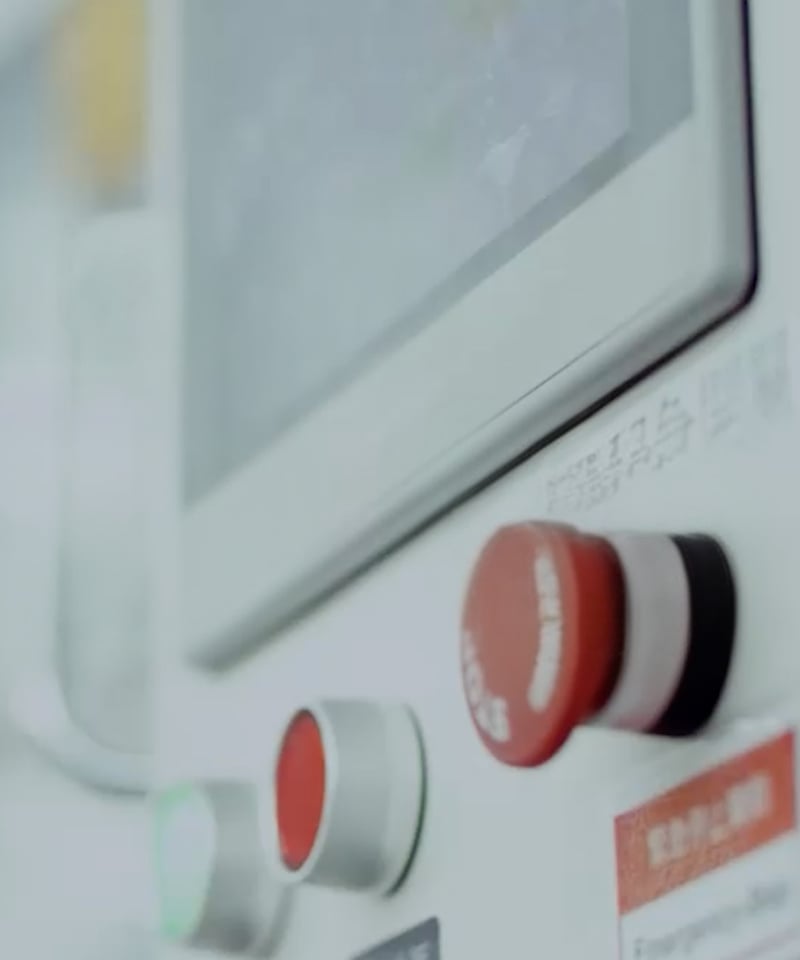
Every cell shipped today comes from a fully automated,
quality-controlled production line already proven at scale.

From Taiwan’s Taoke Gigafactory, the world’s first solid-state battery gigafactory, to a second gigafactory under construction in Dunkirk, France, ProLogium is scaling solid-state manufacturing from pilot line to industrial volume. Every cell shipped today comes from a fully automated, quality-controlled production line already proven at scale.

Continuous Optimization and Scale

Continuous Optimization
and Scale

Through three-generations of production line evolution, our
manufacturing flow has simplified the steps for production and
provided continuous optimization through each step.

  • We started in 2013 with a sheet-by-sheet sample line
    producing 10 MWh at a 5-liter slurry mixing volume.
  • By 2017, we had moved to a roll-to-roll pilot line, reaching 40
    MWh and a 50-liter slurry mixing volume.
  • In 2024, our third – generation line brought GWh-level
    production of 0.5 to 1 GWh, with slurry mixing volume
    expanding to 300 liters.

Each transition has scaled capacity and speed together, resulting
in fewer manufacturing steps, less – dry room space, and lower
capital and operating cost per GWh .

Through three-generations of production line evolution, our manufacturing flow has simplified the steps for production and provided continuous optimization through each step.

  • We started in 2013 with a sheet-by-sheet sample line producing 10 MWh at a 5-liter slurry mixing volume.
  • By 2017, we had moved to a roll-to-roll pilot line, reaching 40 MWh and a 50-liter slurry mixing volume.
  • In 2024, our third – generation line brought GWh-level production of 0.5 to 1 GWh, with slurry mixing volume expanding to 300 liters.

Each transition has scaled capacity and speed together, resulting in fewer manufacturing steps, less – dry room space, and lower capital and operating cost per GWh .

Simplified Manufacturing Process

Our manufacturing flow has simplified the steps for production,
driven more efficiency, and allows for scalability ultimately
decreasing cost of units.

Our manufacturing flow has simplified the steps for production, driven more efficiency, and allows for scalability ultimately decreasing cost of units.

17
Conventional steps

11
ProLogium steps

Manufacturing Steps
Process has decreased steps necessary by up to 40%.
Conventional manufacturing requires 17 steps while
ProLogium has decreased it to 11 total. Eliminating
electrolyte injection, vacuum impregnation, degassing,
resealing, and redundant formation cycles entirely.

Manufacturing Steps
Process has decreased steps necessary by up to 40%. Conventional manufacturing requires 17 steps while ProLogium has decreased it to 11 total. Eliminating electrolyte injection, vacuum impregnation, degassing, resealing, and redundant formation cycles entirely.

8 hours
Conventional dehydration

8 mins
ProLogium dehydration

Electrode Assembly
Assembly efficiencies have led to an 8x reduction in time
required. Enabled by our unique dehydration process.

Electrode Assembly
Assembly efficiencies have led to an 8x reduction in time required. Enabled by our unique dehydration process.

7 processes
Vacuum dehydration, electrolyte
injection, impregnation, degassing,
resealing

1 process
Electrode attaching &
electrolyte installation,
combined

Dry Room Reduction
ProLogium has decreased the total amount of dry room
steps to 1 by combining and driving efficiencies with the
Electrode attachment and Electrolyte installation.

Dry Room Reduction
ProLogium has decreased the total amount of dry room steps to 1 by combining and driving efficiencies with the Electrode attachment and Electrolyte installation.

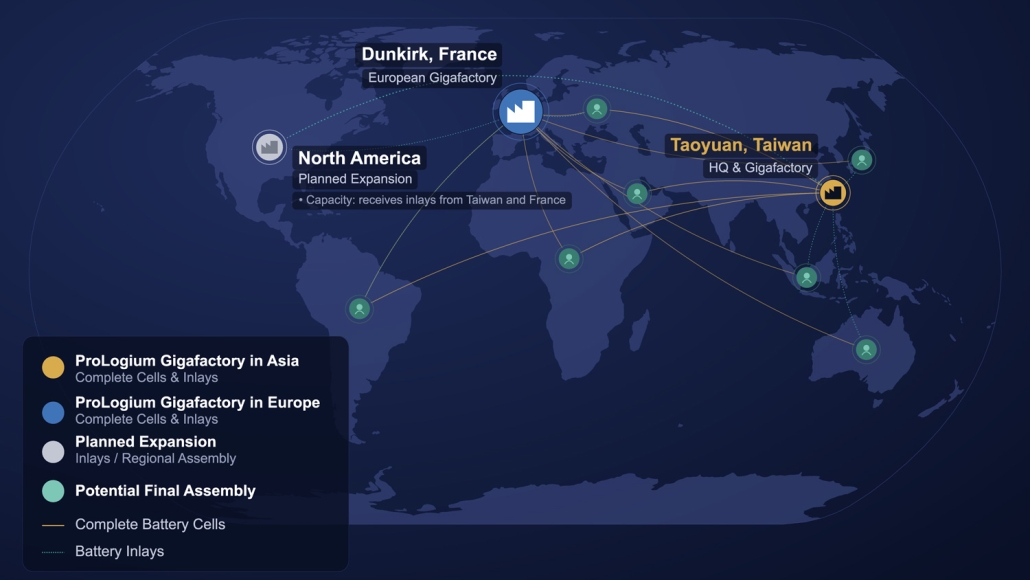
Built to Scale Across Continents

ProLogium’s manufacturing footprint spans Asia, Europe, and soon North
America. Taoke is operating and shipping today. Dunkirk is under
construction and targeting commercial operations by year end 2029. Site
selection is already underway across multiple U.S. states.

ProLogium’s manufacturing footprint spans Asia, Europe, and soon North America. Taoke is operating and shipping today. Dunkirk is under
construction and targeting commercial operations by year end 2029. Site selection is already underway across multiple U.S. states.

Certifications & Quality Standards

Since 2013, ProLogium has been among the leading next-generation battery manufacturers with the rigorous automotive quality certification IATF 16949. Our Taiwan manufacturing base has been IATF 16949 certified since 2022, supporting automotive-grade quality and manufacturing excellence.

Our quality management system is built around the six core tools of the automotive industry:

  • Advanced Product Quality Planning (APQP)
  • Control Plan (CP)
  • Failure Mode and Effects Analysis (FMEA)
  • Measurement System Analysis (MSA)
  • Statistical Process Control (SPC)
  • Production Part Approval Process (PPAP)

These tools, together with VDA 6.5 Product Audit and the planned implementation of VDA 6.3 Process Audit by the end of 2026, are systematically applied to strengthen process consistency, manufacturing excellence, and product quality and most importantly, reliability.

Design-for-Disassembly

At ProLogium, sustainability begins at the battery design stage. Guided by our Design-for-Disassembly philosophy, our batteries are designed for efficient repair, reuse, and material recovery throughout their lifecycle.
Our architecture enables progressive disassembly from packs and modules to individual inlays, supporting targeted repair by swappable structure, component reuse, and more efficient material separation at end of life. This approach allows us to recover five core battery materials, including copper and aluminum foils, cathodes, anodes, electrolytes, and ceramic separators, going beyond the more limited material recovery of conventional battery recycling.
By enabling cleaner material separation and avoiding the contamination associated with whole-pack shredding, our approach also supports higher-purity material recovery and more efficient downstream processing. Applied to both end-of-life batteries and manufacturing scrap, these principles advance a more circular battery value chain while reducing resource waste.

At ProLogium, sustainability begins at the battery design stage. Guided by our Design-for-Disassembly philosophy, our batteries are designed for efficient repair, reuse, and material recovery throughout their lifecycle.Our architecture enables progressive disassembly from packs and modules to individual inlays, supporting targeted repair by swappable structure, component reuse, and more efficient material separation at end of life. This approach allows us to recover five core battery materials, including copper and aluminum foils, cathodes, anodes, electrolytes, and ceramic separators, going beyond the more limited material recovery of conventional battery recycling.By enabling cleaner material separation and avoiding the contamination associated with whole-pack shredding, our approach also supports higher-purity material recovery and more efficient downstream processing. Applied to both end-of-life batteries and manufacturing scrap, these principles advance a more circular battery value chain while reducing resource waste.

High Efficiency
Recycle & Reuse

Eco Friendly
Low Pollution

Efficient Process
Low Consumption

Learn More about Our Process

© 2022 Copyright - ProLogium Technology CO., Ltd. All Rights Reserved.