Solid Technical Moat
Solid Technical Moat
20+
years of R&D
1200
patents
300+

Outstanding stability and great development potential.
Logithium® is ProLogium’s proprietary inner electrode layer structure technology. It adopts a silicone-based frame adhesive applied via wet film coating, featuring thermosetting properties that ensure structural stability and exceptional mechanical strength across both high and low temperatures. In addition to reinforcing the cell structure, it also acts as an extra separator, providing moisture resistance and enhancing electrode layer adhesion, delivering dual protection against structural collapse and edge short-circuits. At the same time, it minimizes the utilization area of a dry room, thereby lowering manufacturing costs, making it the cornerstone for all our technological advancements.

Derived from Logithium®, the Double-Side Thick Film technology increases the coating thickness of active materials that allow two Single Cells to combine and form a Bi-cell architecture. This approach reduces the number of electrode stacking layers, lowers the overall volume and weight of materials, and effectively boosts battery capacity, significantly improving both gravimetric and volumetric energy density. In addition, it reduces the use of separators and conductive materials, further optimizing the material cost structure.

Building upon the Logithium® encapsulation technology, our proprietary BiPolar+ stacking technology enables direct series-parallel stacking of electrodes, significantly reducing the number of cells required and the space and materials needed for external series-parallel configurations. This effectively increases voltage output and enhances pack assembly efficiency. Multiple BiPolar+ configurations can be assembled to form our MAB (Multi-Axis BiPolar+) technology.
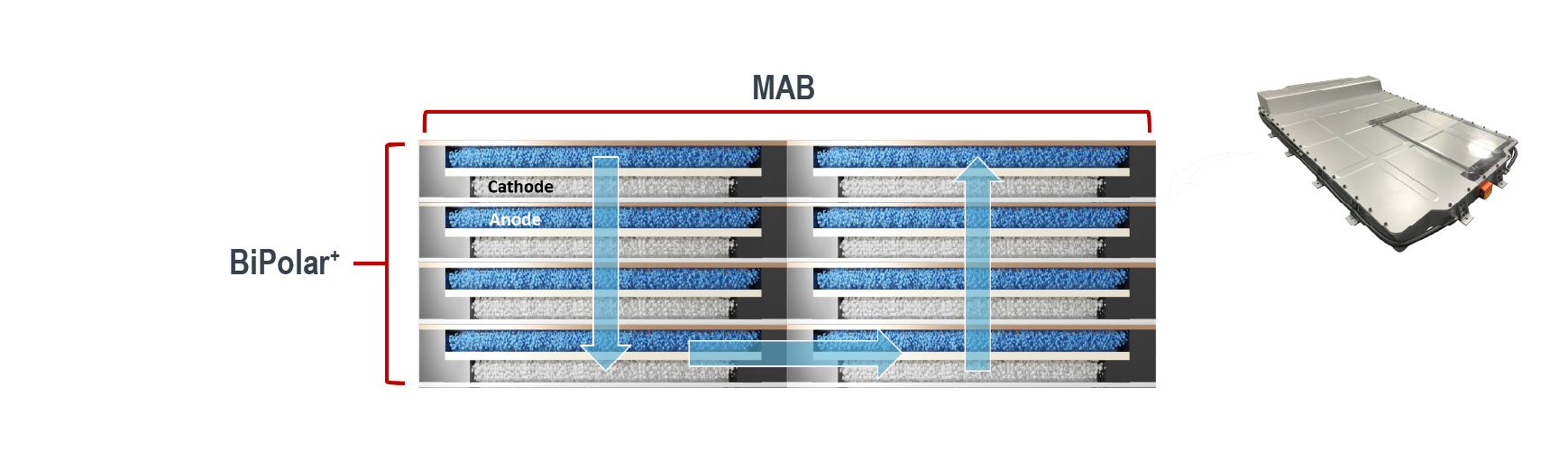
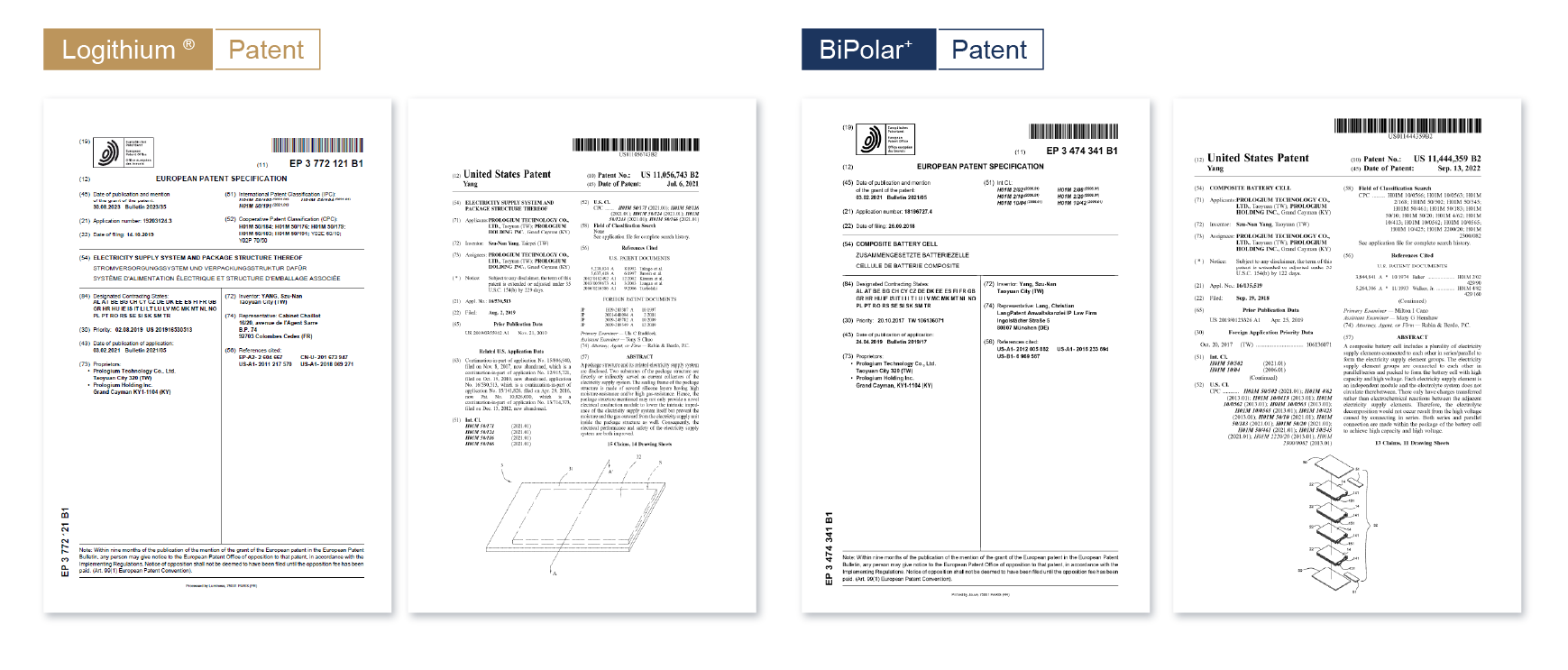
Logithium® serves as the foundational platform structure for all of ProLogium’s next-generation battery technologies and mass production capabilities, forming the basis of our current manufacturing process and battery technology. This platform technology enhances the effectiveness of moisture resistance and prevents edge short circuits in battery cells. The unique frame adhesive separation structure for next-generation batteries developed from this technology has been one of our core technologies since the introduction of ProLogium battery cells, leading to the development of high-speed Roll-to-Roll manufacturing processes. The influence of Logithium® can be observed across mainstream next-generation battery production methods today.
Logithium® first filed technology patent applications in Taiwan, the EU, and the United States as early as 2010, subsequently generating 286 derivative patent technologies. Technologies such as BiPolar+ (filed in Taiwan in 2017; filed in the EU and US in 2018), MAB (Multi-Axis BiPolar+), and Bi-Cell all originated from this foundation. MAB was awarded the Gold Edison Award for Innovation in the United States in 2019. From a patent landscape analysis perspective, it has been recognized by the industry as a technological paradigm.
Solving conductivity and brittle issues of oxide electrolyte.
The all-ceramic separator, made from non-flammable inorganic oxides, offers intrinsic safety and exceptional structural robustness. This technology serves as a foundational pillar in our long-term technical development strategy, ensuring that all our innovations achieve maximum performance while maintaining robust safety standards. This innovation has been patented since 2012.
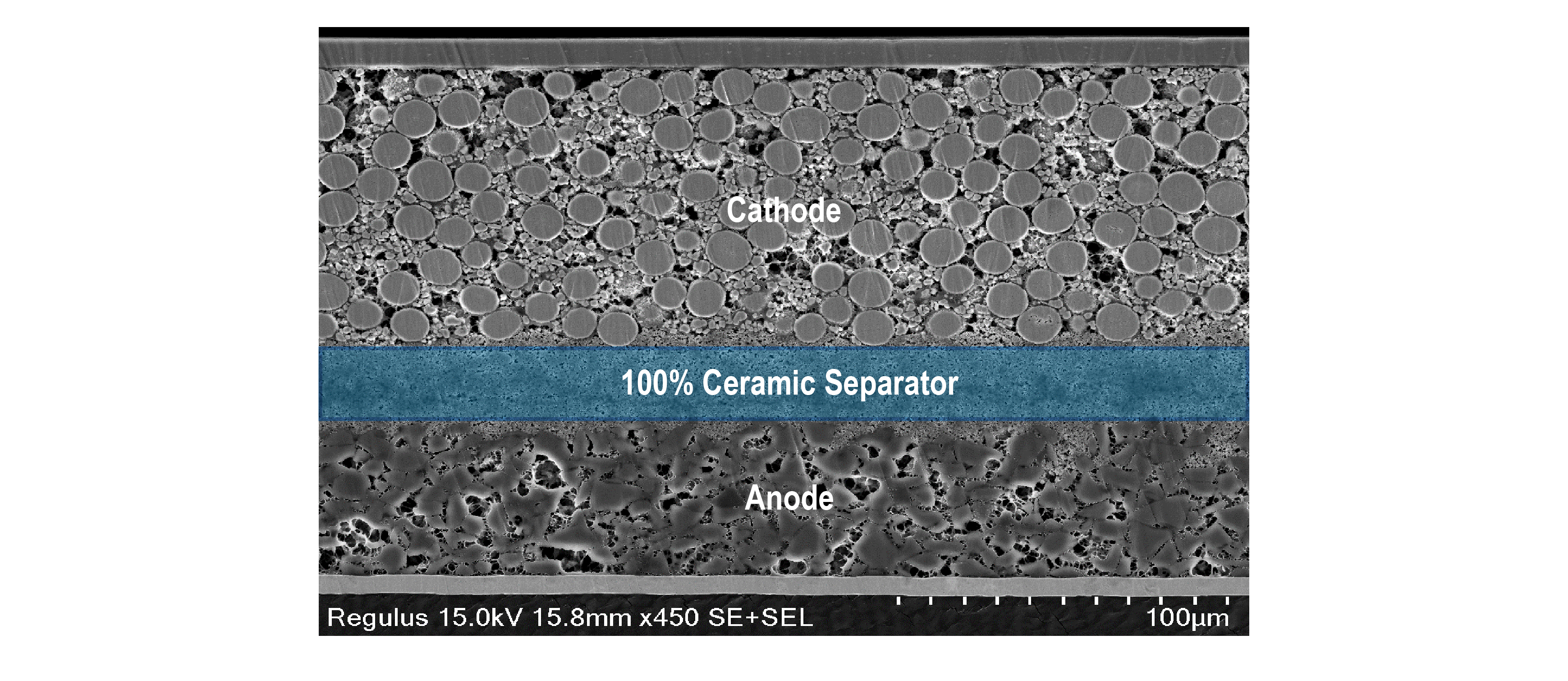
Components of LCB technology
The all-ceramic separator delivers exceptional mechanical stability and incompressibility. It remains unaffected by the internal stresses caused by electrode swelling and contraction during charge–discharge cycles, while also withstanding external physical impacts to prevent structural damage. By effectively blocking short circuits and thermal runaway, it significantly enhances battery durability under both external forces and long-term operation, providing the highest level of safety protection across diverse application scenarios.
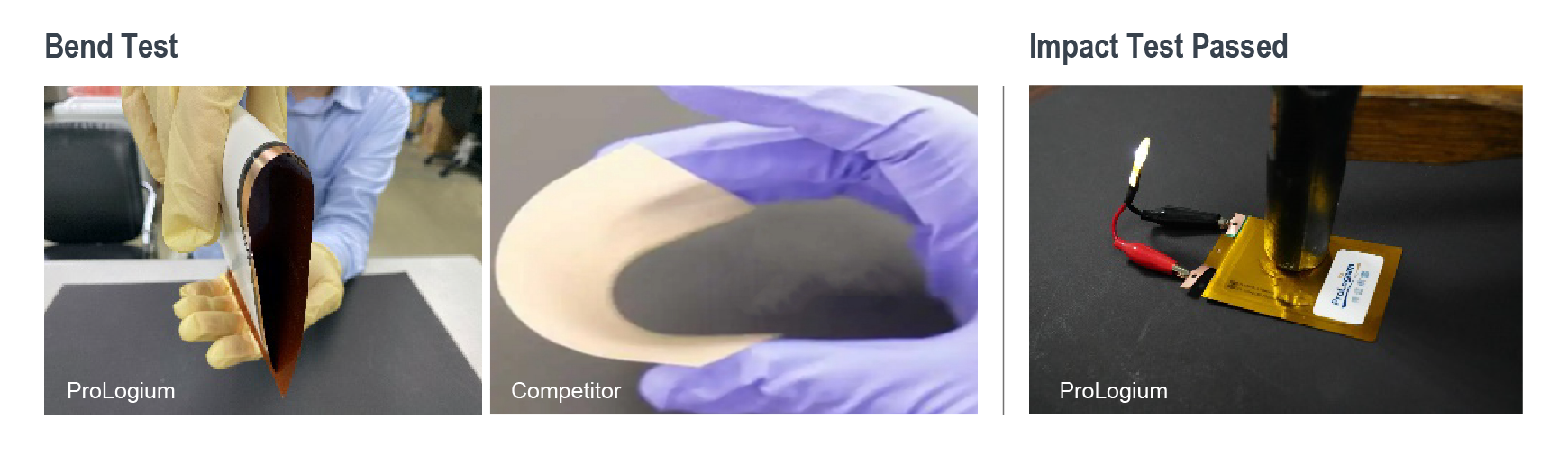
The all-ceramic separator exhibits exceptional thermal stability, maintaining structural integrity even at decomposition temperatures above 1000°C and retaining electrical insulation at 300°C, demonstrating its intrinsic safety properties. It is suitable for various applications under extreme temperature conditions, significantly reducing the risk of thermal runaway.
In addition, compared to conventional materials, the all-ceramic separator offers three times higher thermal conductivity, enhancing internal heat dissipation. This effectively accelerates heat transfer and release, ensuring internal thermal stability even under high-power operation, thereby improving battery safety and cycle life during charge–discharge cycles.
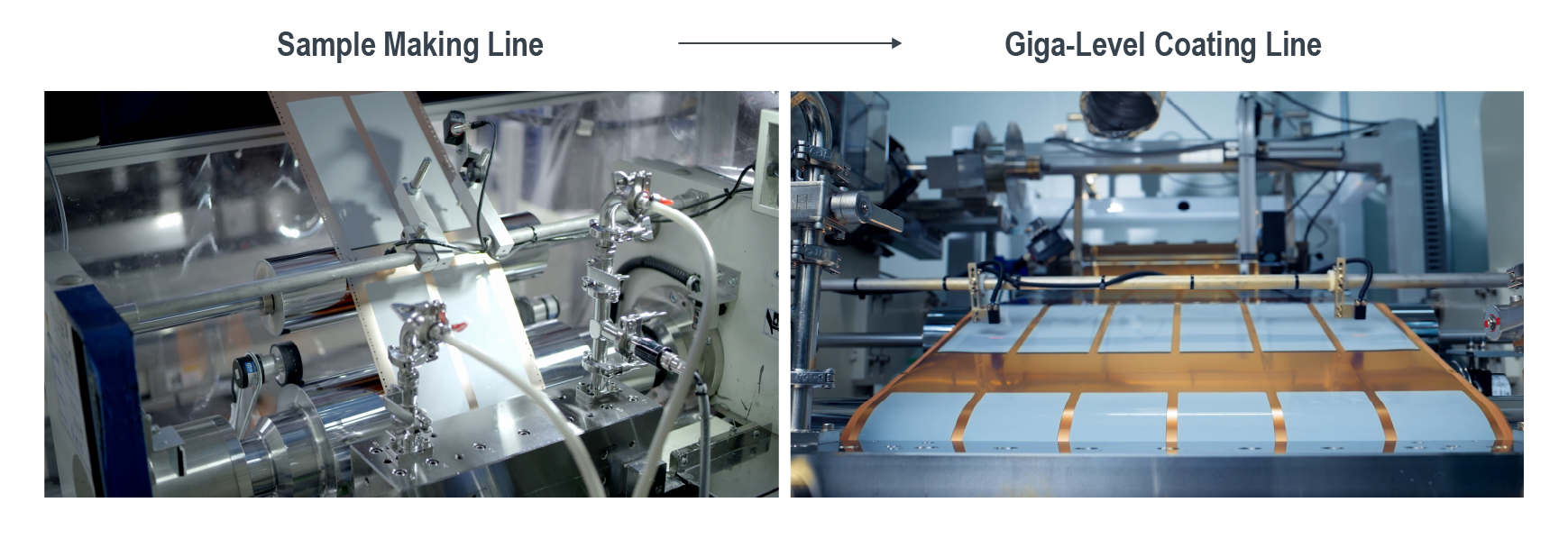
Continuing ProLogium’s long-standing R&D spirit of “producibility”: developing a roll-to-roll process for inherently rigid ceramic materials is a proprietary manufacturing achievement we take pride in.
Since 2013, our Sample Making Line has prepared ceramic separators via coating instead of sintering, offering significantly greater feasibility for mass production and higher throughput. In 2017, ProLogium completed a full roll-to-roll pilot line, achieving coating speeds exceeding 10 m/min. The GWh-level production line, launched in 2024, increases the ceramic separator coating speed to 30 m/min, enabling dual-layer coating to simultaneously apply the electrode slurry and the ceramic separator, further enhancing production efficiency. Production speed is expected to reach 55 m/min by 2026.
Active safety mechanism going beyond intrinsic safety.
The superfluidized all-inorganic next-generation electrolyte represents the ultimate generation of next-generation lithium-ceramic batteries, delivering comprehensive safety, high energy density, fast-charging capability, long cycle life, low-temperature stability, high-value recyclability and cost-effective commercial viability.
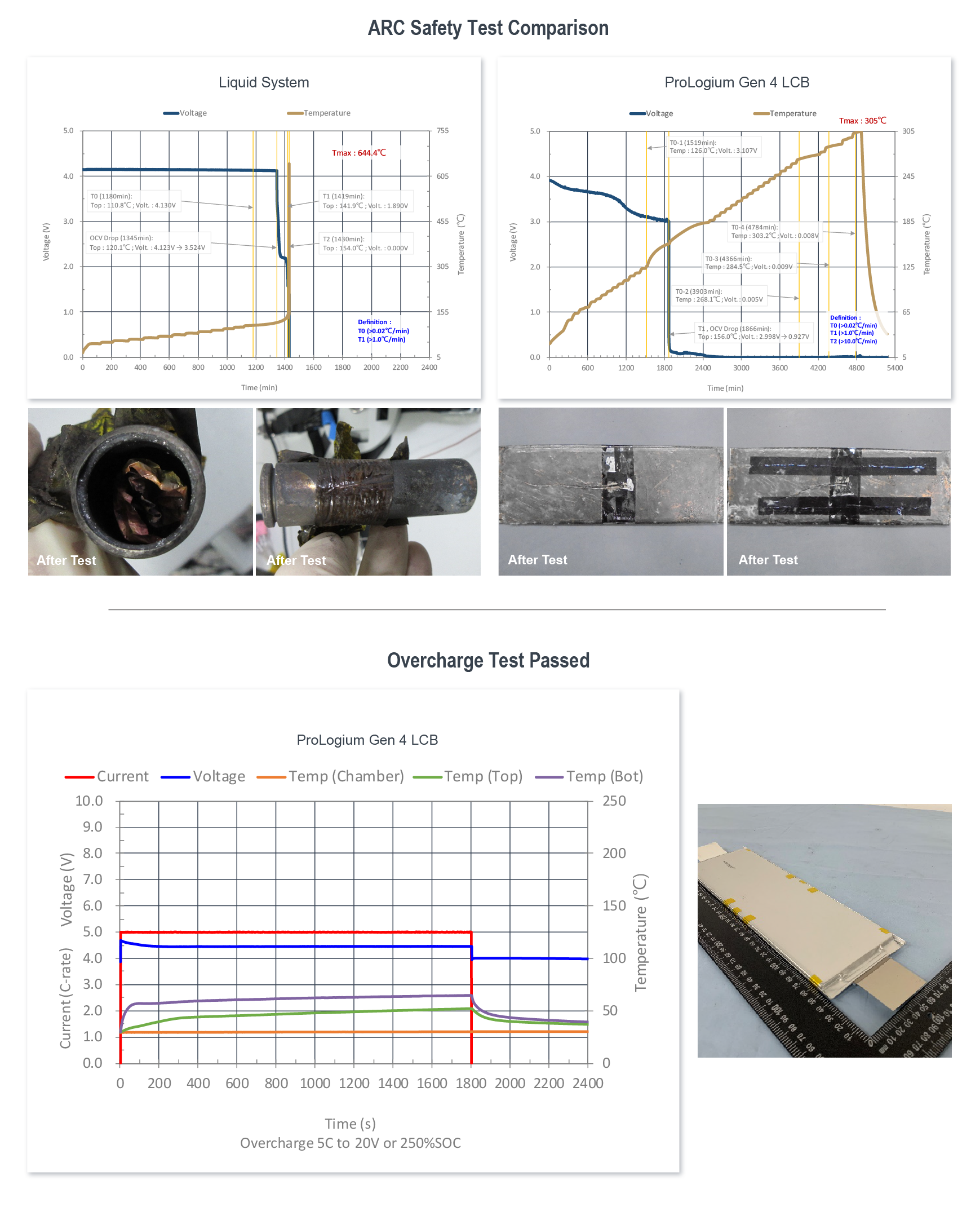
The superfluidized all-inorganic next-generation electrolyte is intrinsically non-flammable. Even under high-temperature and high-voltage conditions, it does not generate combustible or toxic gases. Moreover, it prevents structural collapse of the battery and the formation of flammable materials at elevated temperatures, making it a truly intrinsically safe material.
By contrast, the sulfide-based solid-state electrolyte releases highly flammable sulfur vapors in high-temperature oxidative environments, leading to spontaneous combustion. Furthermore, when subjected to external mechanical damage, its stable ground-state lithium ions can be converted into excited-state lithium radicals, which act as flammable species under heat. Therefore, sulfide electrolytes cannot be considered intrinsically safe materials.
The superfluidized all-inorganic next-generation electrolyte itself serves as an Active Safety Mechanism, composed of ASM components. When exposed to high temperature and high voltage conditions, it automatically decomposes into ASM components, autonomously stabilizing the cathode crystal structure to prevent its high-temperature collapse that would generate oxygen and heat. Meanwhile, at the anode, it transitions the electrode from an excited state to a ground state, effectively blocking thermal runaway occurrence and providing active safety characteristics.
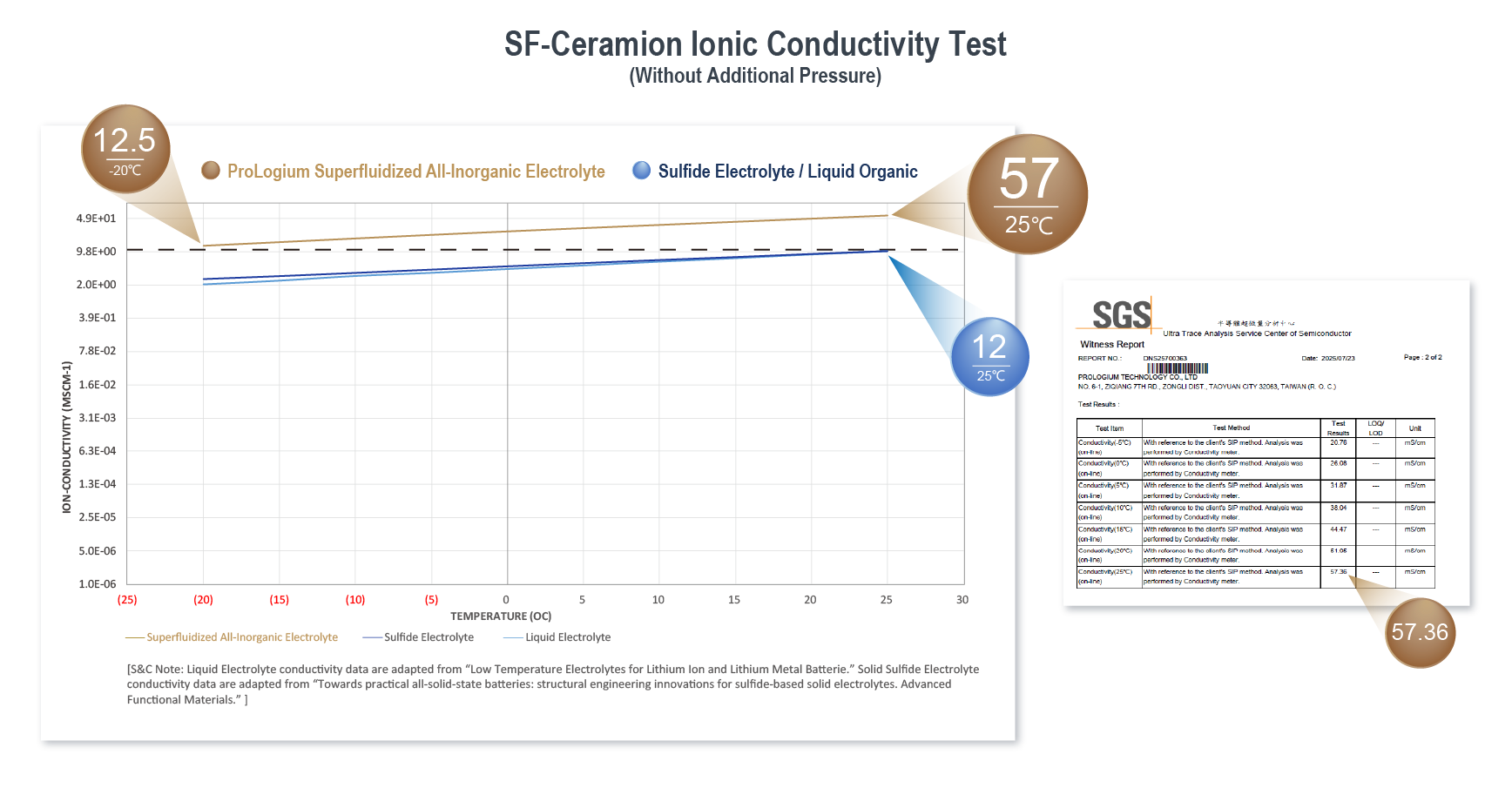
ProLogium’s superfluidized all-Inorganic next-generation electrolyte has been verified by SGS to achieve the world’s highest room-temperature ionic conductivity of 57 mS/cm at 25°C, 5 to 6 times higher than conventional liquid electrolytes and sulfide solid-state electrolytes. Even under extreme low-temperature conditions of –20°C, it still outperforms the room-temperature ionic conductivity of sulfide solid-state electrolytes and liquid electrolytes, maintaining conductivity advantage and > 90% discharge efficiency. In contrast, traditional batteries typically suffer from poor performance decay at low temperatures. This breakthrough electrolyte technology overcomes such limitations, delivering superior reliability and stability in extreme climates.
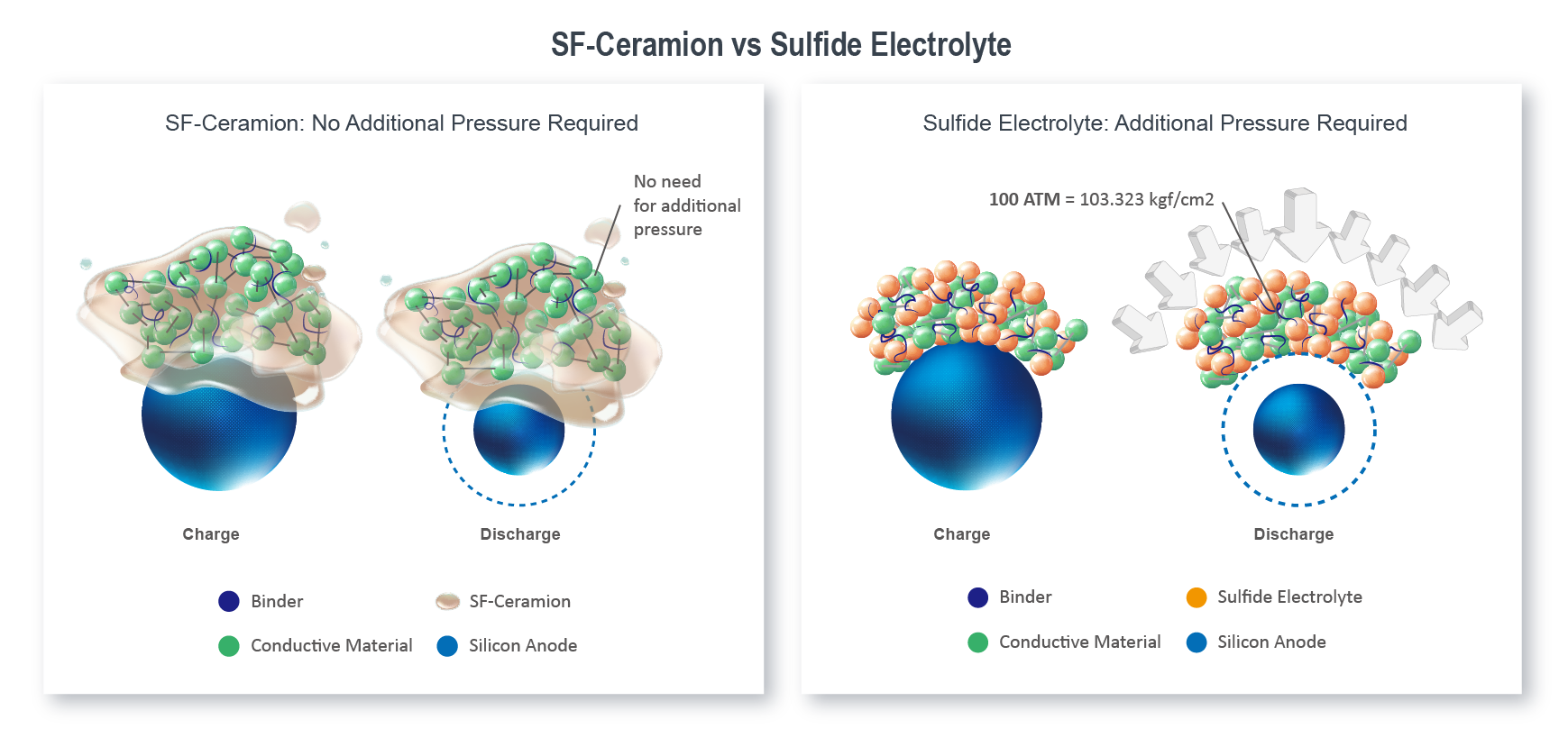
The high-conductivity superfluidized all-inorganic next-generation electrolyte, combined with ProLogium’s 100% ceramic separator (one of our three core technologies), resolves the potential swelling issues associated with using 100% composite silicon anodes. Without requiring additional pressure, it successfully enhances interfacial contact between the electrolyte and active materials, ensuring uniform and stable reactions between materials. This far exceeds sulfide solid-state batteries that require enormous pressure coefficients (600 MPa) to operate normally.
ProLogium’s Gen 4 lithium ceramic battery has the potential to achieve cost levels comparable to conventional nickel-cobalt-manganese lithium-ion batteries at scale. A key enabler is the Superfluidized Inorganic Electrolyte, which is free of rare metals and unstable precursors while allowing using lower-cost industrial-grade raw materials with 98.5% purity, rather than battery-grade materials with 99.99% purity. This is made possible by the purification effect inherent in the superfluidization process, which upgrades raw materials procured with approximately 98.5% purity to 99.9% purity during processing, thereby eliminating the need to procure significantly more expensive materials with 99.9% purity.
In contrast, many solid-state electrolyte technologies rely on rare elements, ultra-high-purity materials or chemically unstable precursors, which can result in higher material costs and limit opportunities for cost reduction through economies of scale.
At the battery pack level, Gen 4 technology may provide additional cost reduction opportunities. Its enhanced safety profile may allow simplified cooling system requirements, while higher cell energy density may enable the use of fewer cells and fewer pack-level components for a given energy target.
Based on the above, ProLogium’s Gen 4 lithium ceramic battery has the potential to reduce battery pack costs by approximately 5% to 10% compared with conventional lithium-ion battery systems.
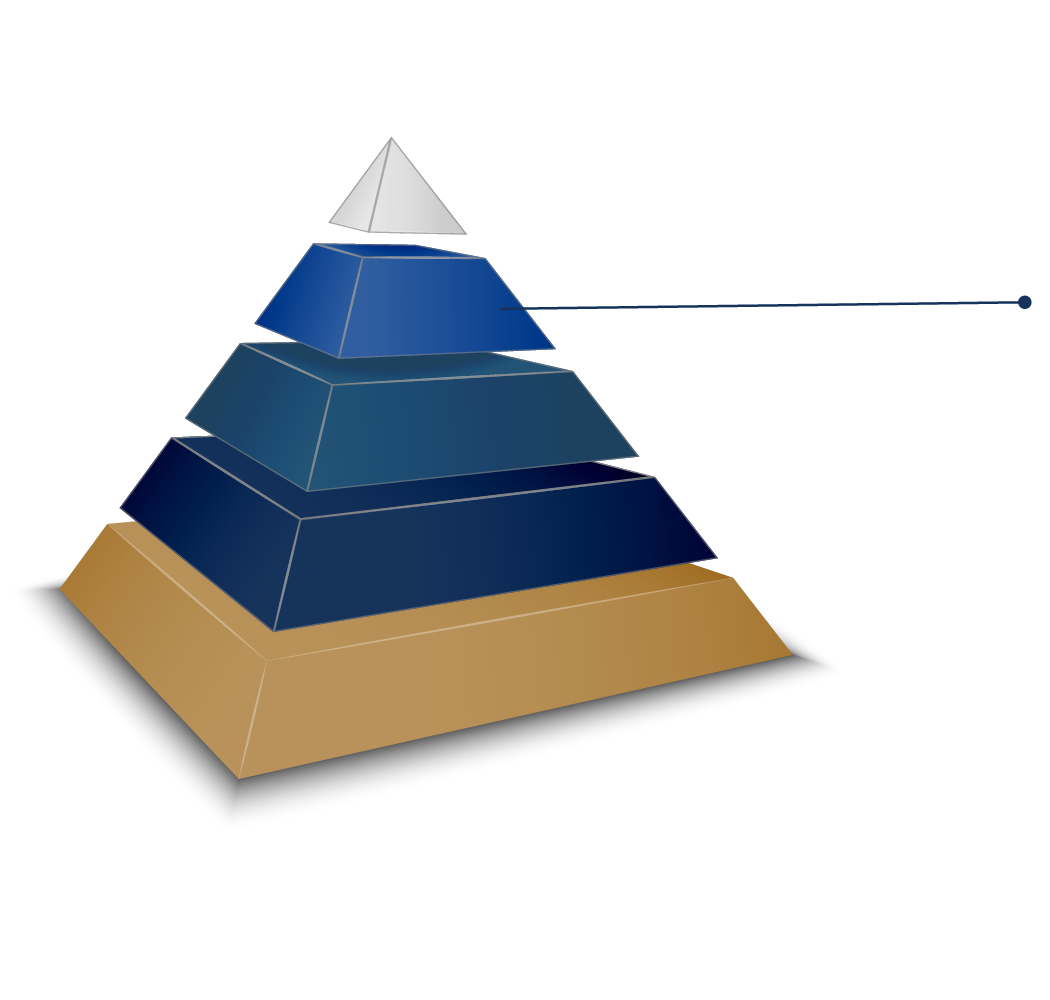
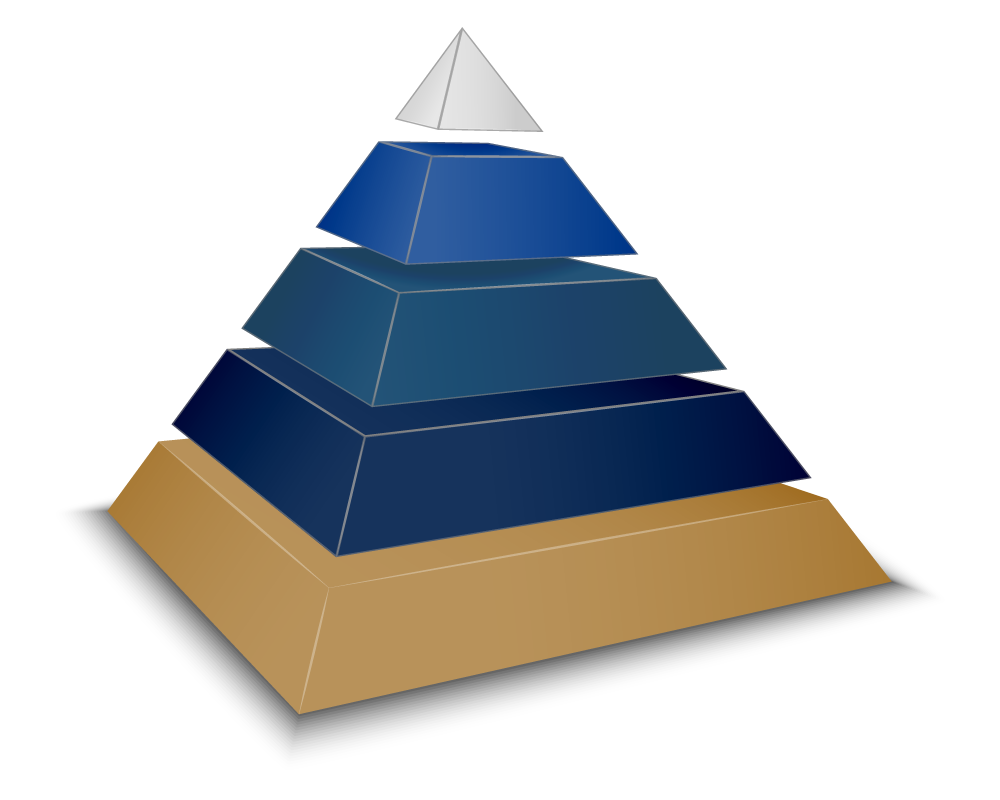
Higher assembly efficiency, longer range.
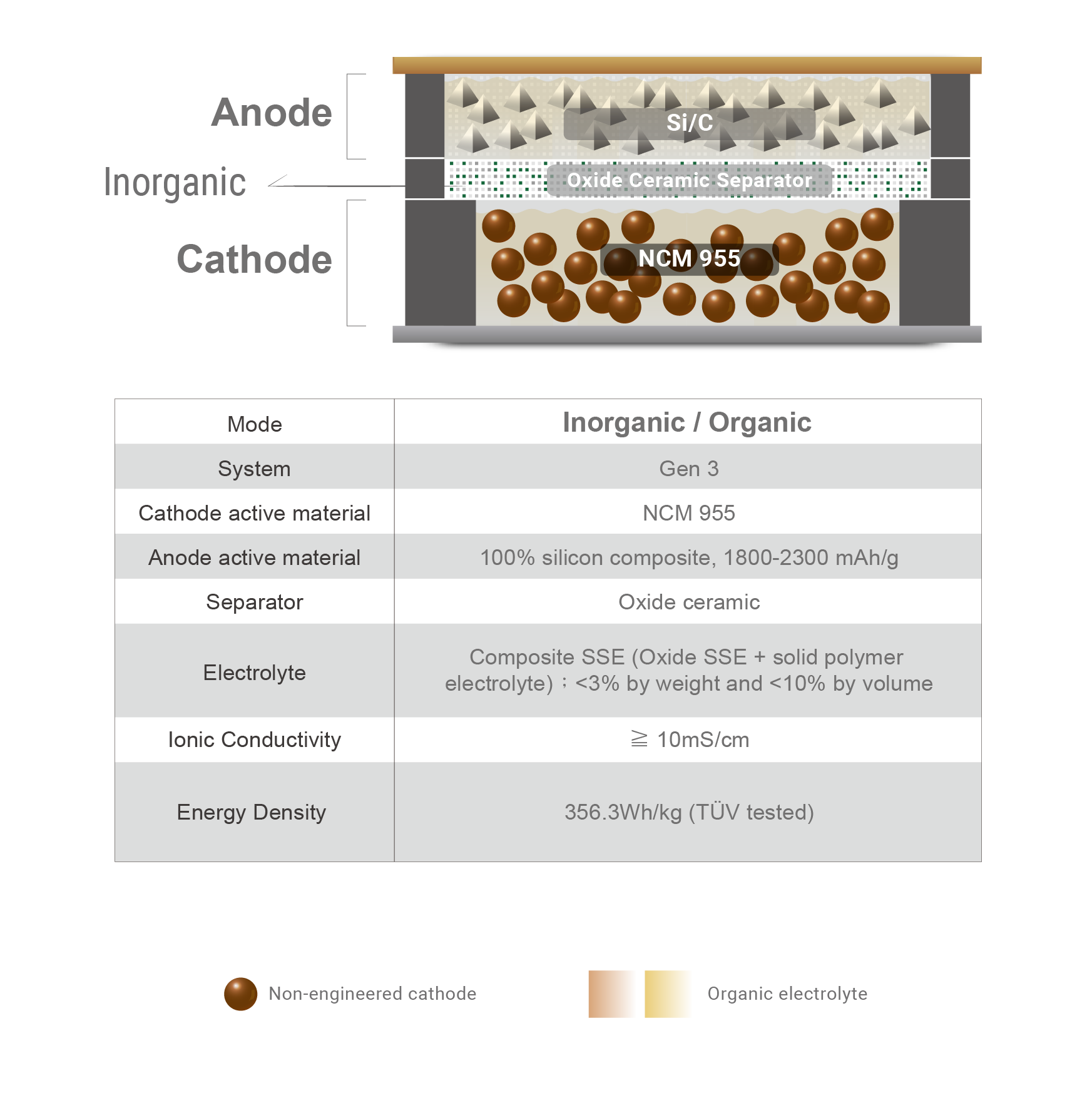
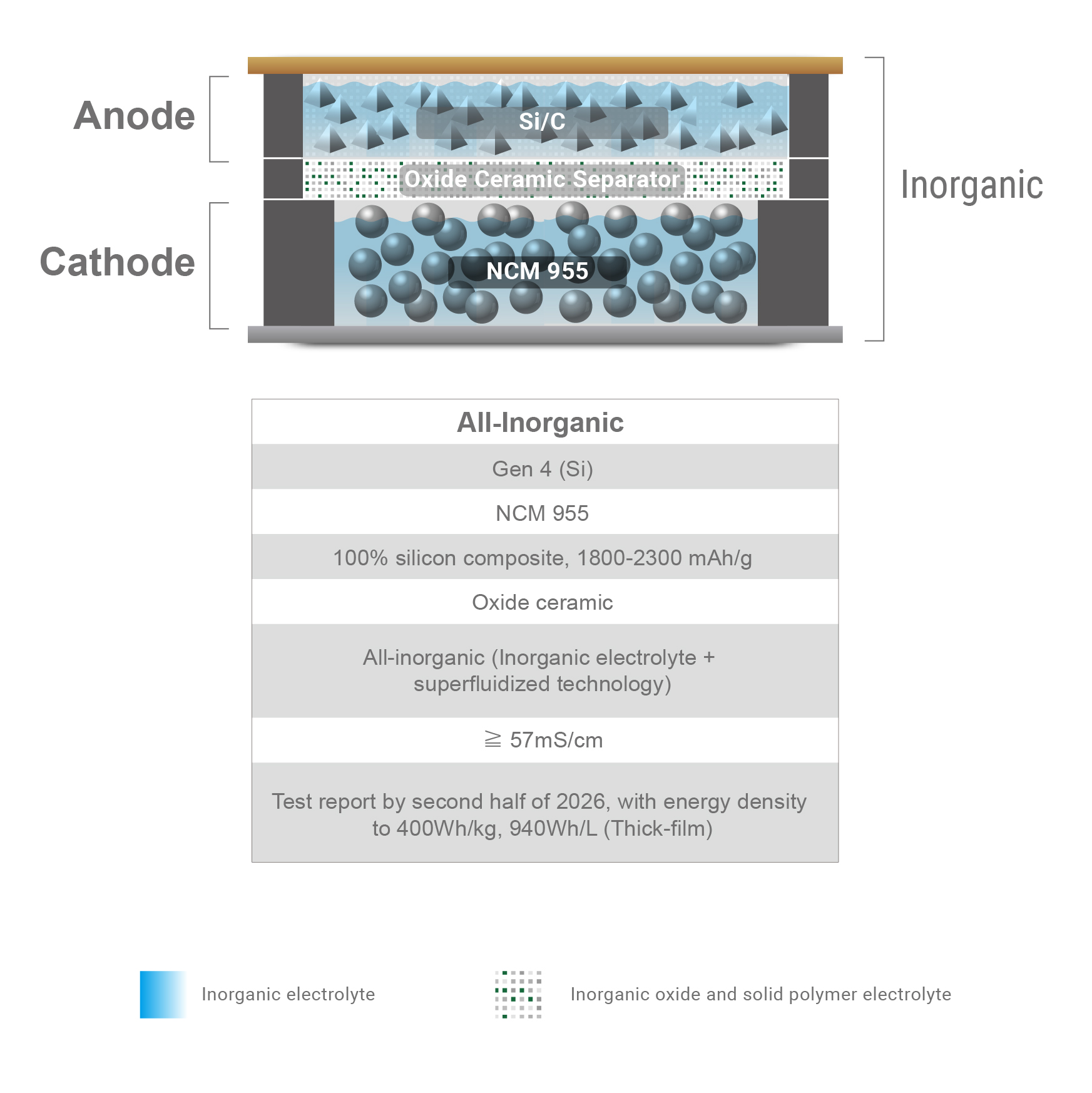
The 100% composite silicon anode combines four key advantages: high energy density, ultra-fast charging capability, lightweight design, and cost efficiency. Leveraging our proprietary cell architecture technology, it effectively mitigates the intrinsic swelling tendency of silicon-based materials, thereby maximizing material energy utilization.
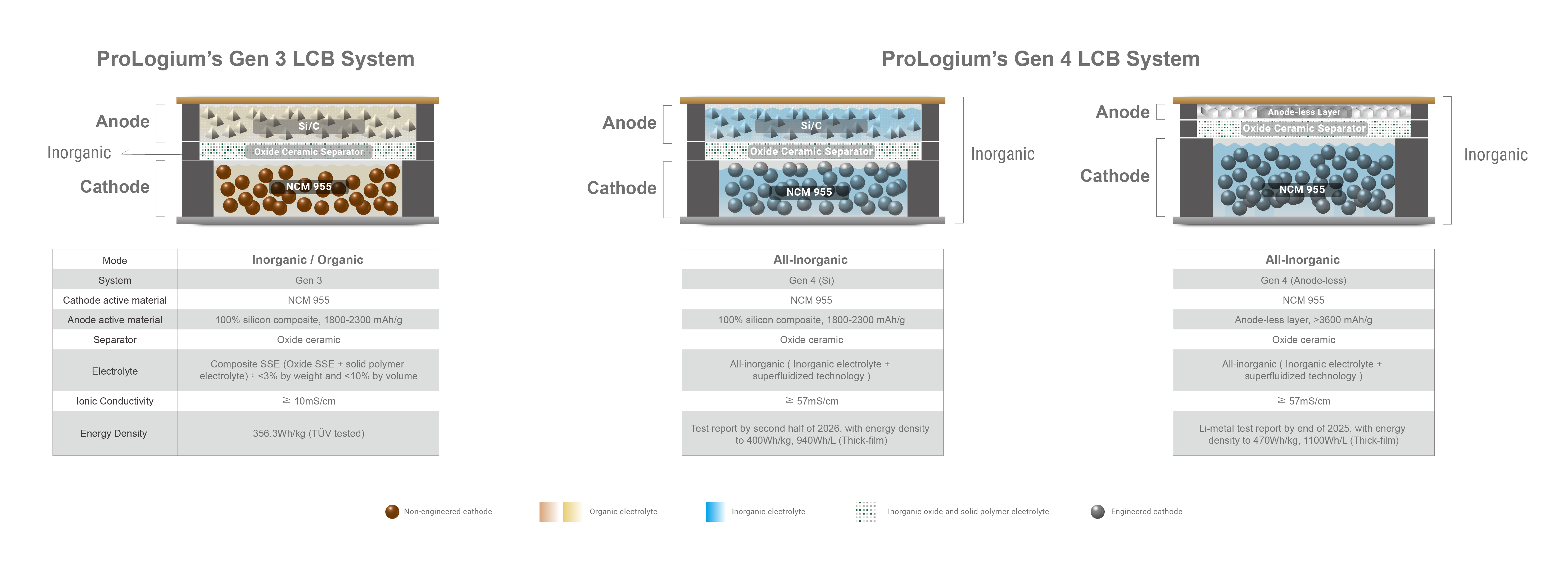
The 100% composite silicon anode achieves a high activation utilization of 1,800–2,300 mAh/g, nearly six times that of conventional graphite anodes (~360 mAh/g), while requiring only one-fifth of its thickness. It delivers an energy density of 360–400 Wh/kg and 860–940 Wh/L, while significantly reducing the unit energy cost to around two-thirds that of graphite (USD/kWh).
This cost advantage, compared with the consistently high price of lithium metal, further highlights the mass production feasibility of ProLogium’s Gen 4 battery in the next-generation battery landscape.
Graphite anodes rely on lithium-ion intercalation and deintercalation during charge and discharge. This process can easily disrupt the surface structure, and with increasing cycle numbers, localized stress at the graphite edge leads to C–C bond breakage, resulting in irreversible capacity loss.
In contrast, silicon naturally forms alloying reactions with lithium. Each silicon atom can bond with multiple lithium ions to form Li–Si alloys, significantly boosting specific capacity while enabling high-rate fast charging.
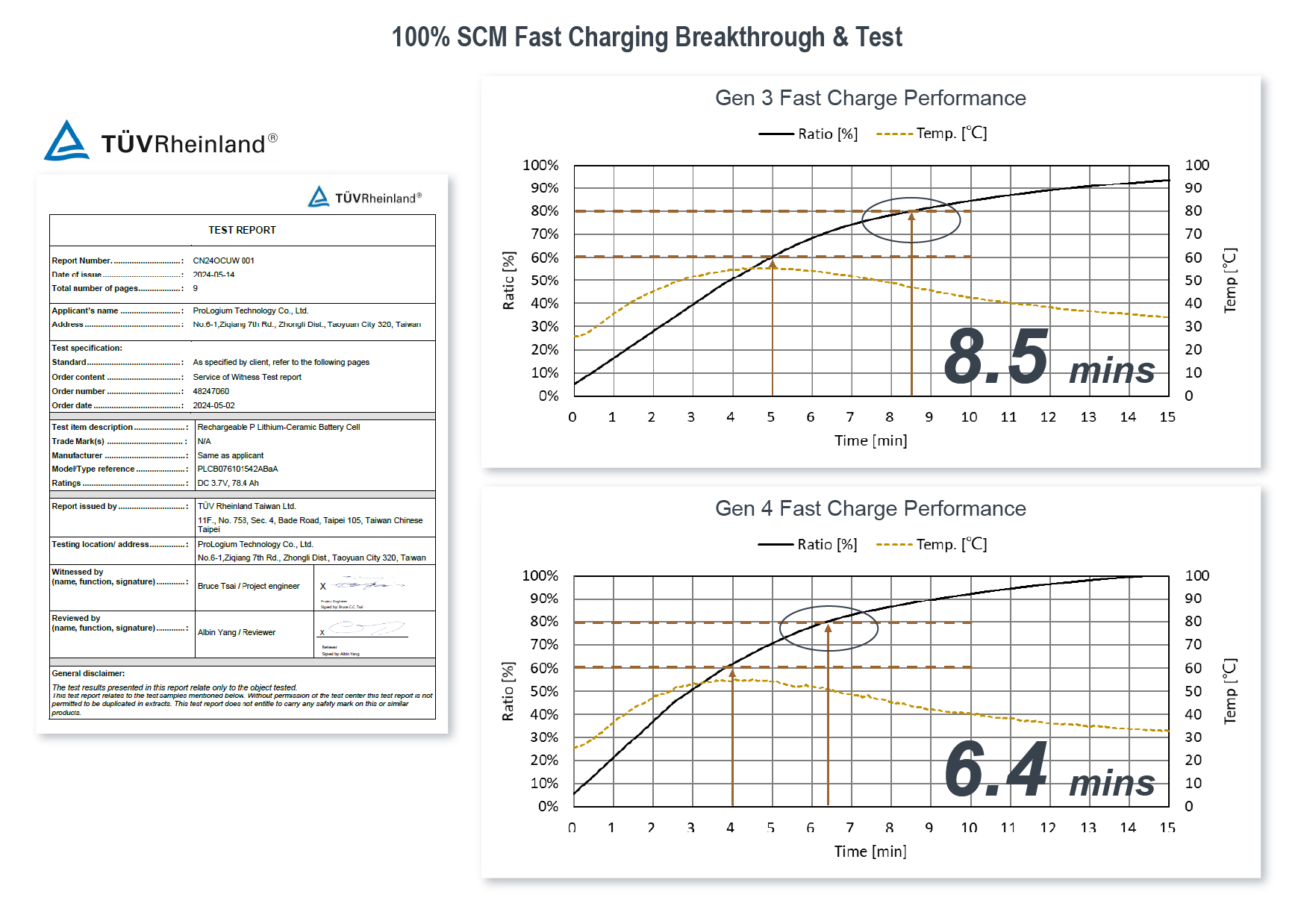
Leveraging this advantage, our Gen 3 and Gen 4 batteries achieve industry-leading fast charging without the need for additional pressure. Under a 400V system design, our Gen 3 battery can reach 80% of charge in just 8.5 minutes, while our Gen 4 battery’s charging window is further reduced to 6.4 minutes. Within the 5–80% charging window, our battery’s cycle life exceeds 1,000 cycles.
By comparison, recent discussions around “flash charging” at 1,500V face practical and safety limitations, as today’s charging infrastructure and module components are not designed for such high voltages and charging at these levels introduces extremely safety risks.
Higher assembly efficiency, longer range.
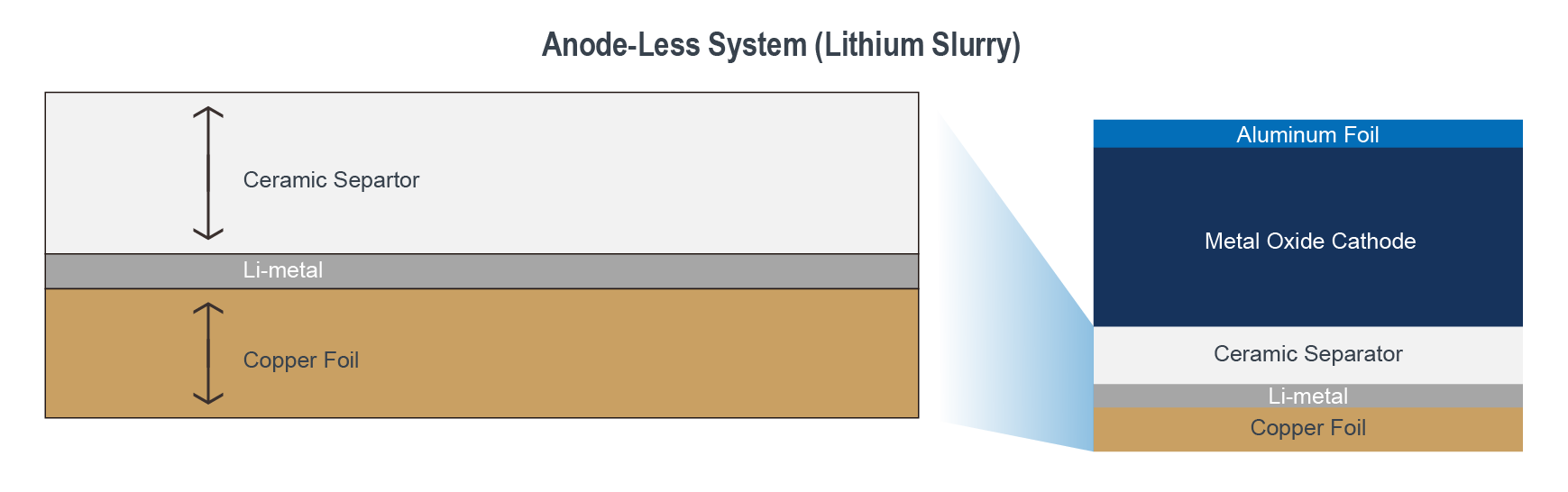
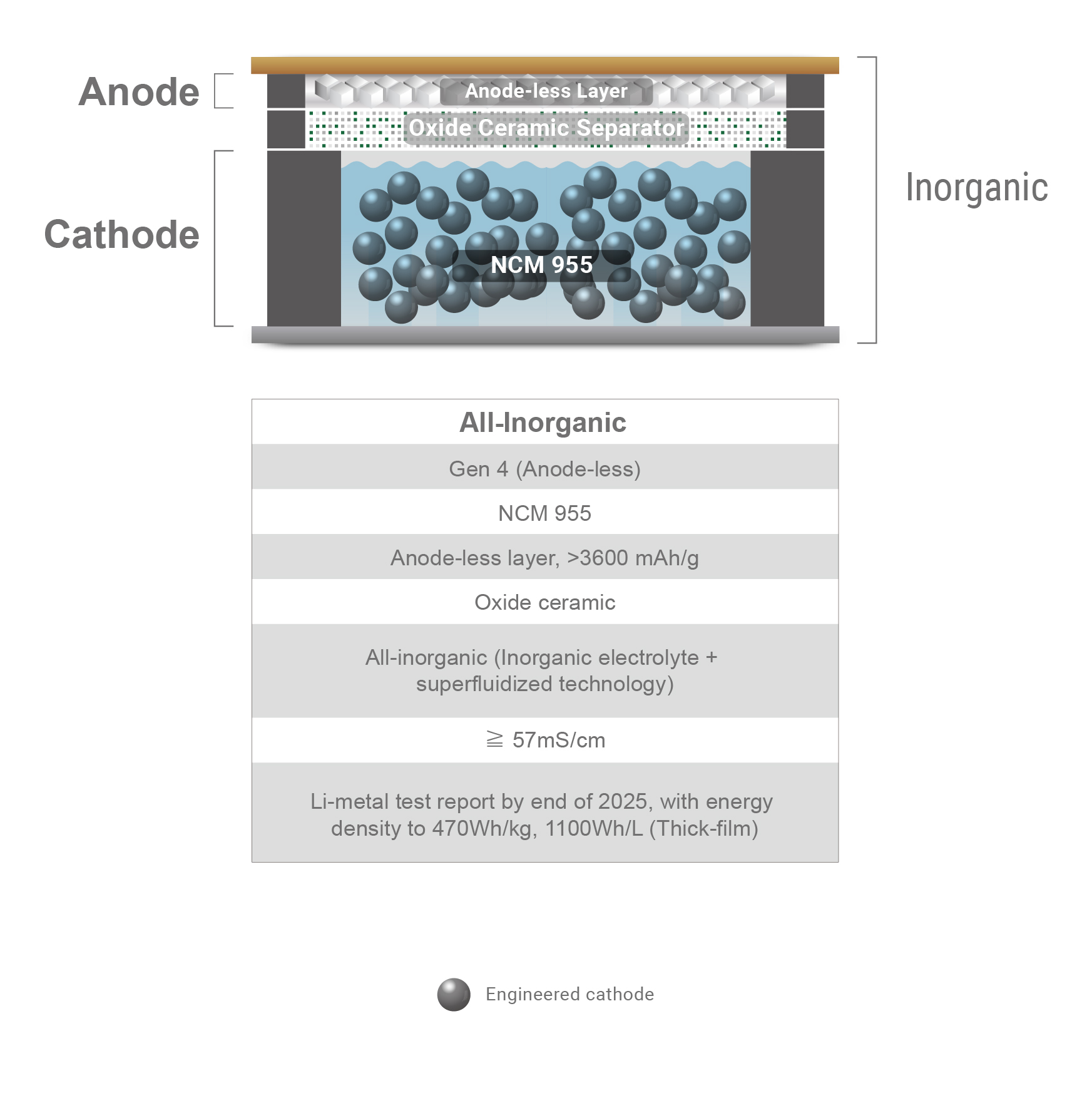
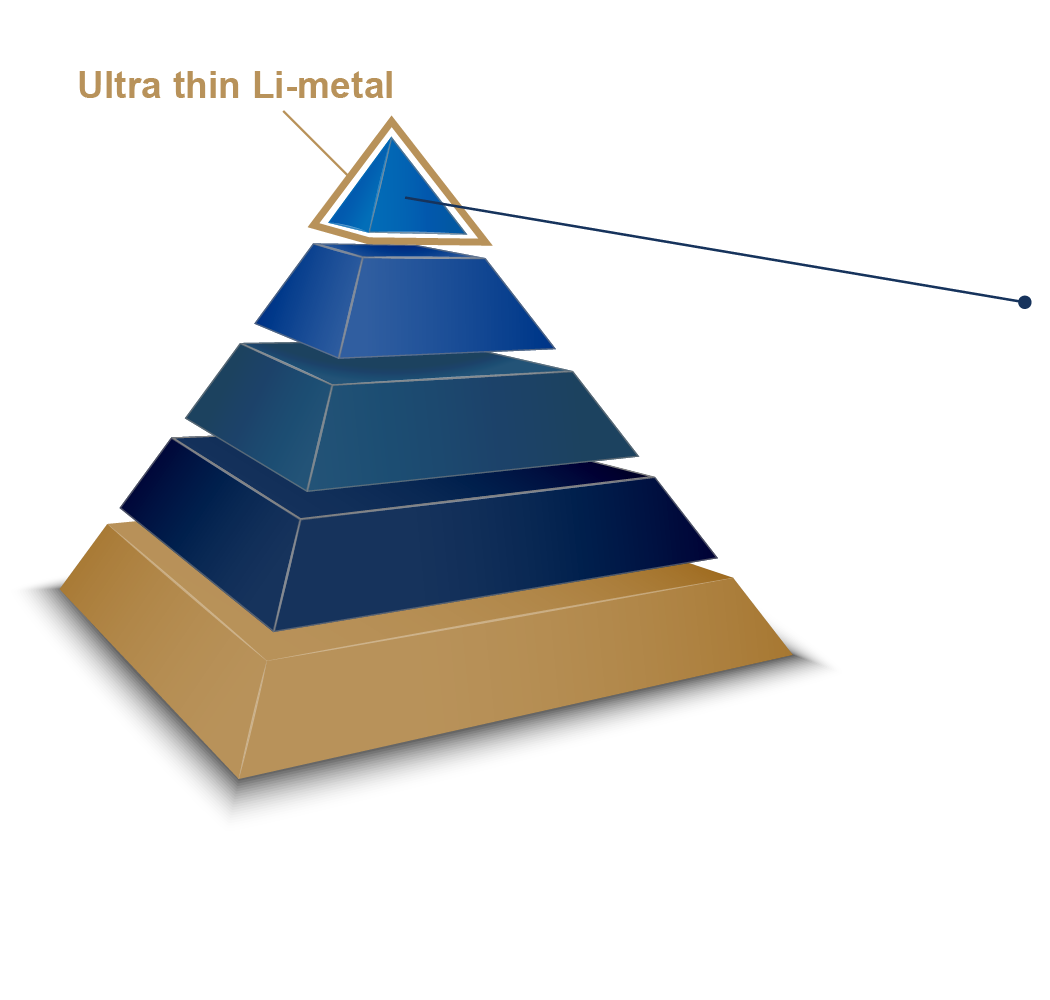
Building on the intrinsic and active safety of our superfluidized all-inorganic next-generation electrolyte, ProLogium’s Gen 4 SF-Ceramion technology now enables anode-less architectures. By applying pattern coating technology to ultra-thin lithium metal foils, the cells can achieve an energy density of 430–470 Wh/kg and 1000–1100 Wh/L, while also supporting roll-to-roll high-throughput manufacturing with costs reduced to a level comparable to graphite anodes.
Although lithium metal offers extremely high energy density, its inherent instability and the risk of dendrite growth, which can pierce the separator and react with the cathode to trigger thermal runaway, remain the biggest obstacles to safe and stable application. ProLogium’s proprietary superfluidized all-inorganic next-generation electrolyte and all-ceramic separator structure effectively suppress dendrite penetration, unlocking the full potential of lithium metal for truly safe and efficient deployment.