MANUFACTURING PROCESS
Headline for production process
Lorem ipsum dolor sit amet consectetur adipiscing elit.
Quisque faucibus ex sapien vitae pellentesque sem placerat

MANUFACTURING PROCESS
Lorem ipsum dolor sit amet consectetur adipiscing elit.
Quisque faucibus ex sapien vitae pellentesque sem placerat
MAIN PROCESS
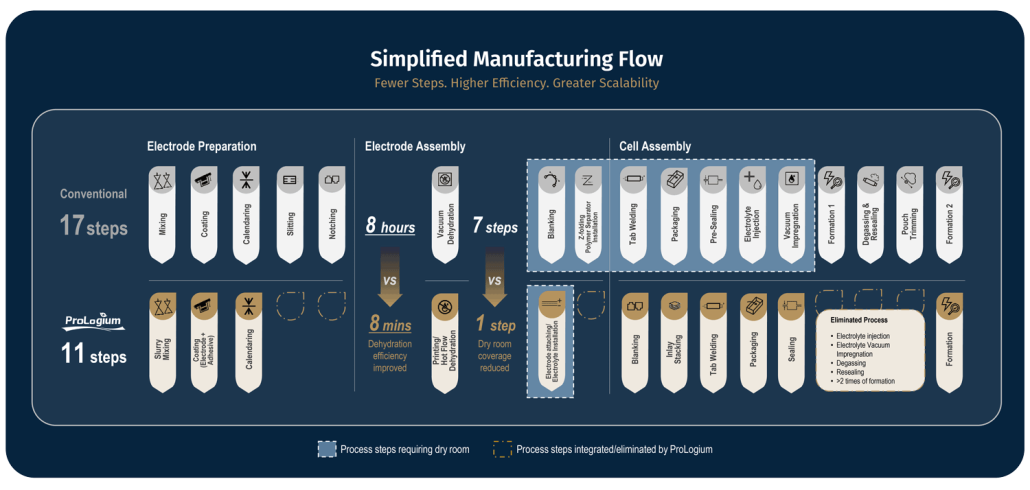
Our lithium ceramic battery manufacturing flow is built around a simpler, more efficient approach. By reducing major process steps from 17 to 11, we streamline conventional pouch cell manufacturing while eliminating several steps, including slitting, notching, Z-folding stacking, electrolyte injection, vacuum impregnation, degassing, resealing, and second formation.
We also reduce dry room coverage by 60% to 70% and cut dehydration time from eight hours to eight minutes. From substrate preparation to the finished cell, our integrated process brings greater efficiency and simplicity to every stage of cell manufacturing.
Raw current collector film becomes a precision-marked substrate ready for electrode construction.
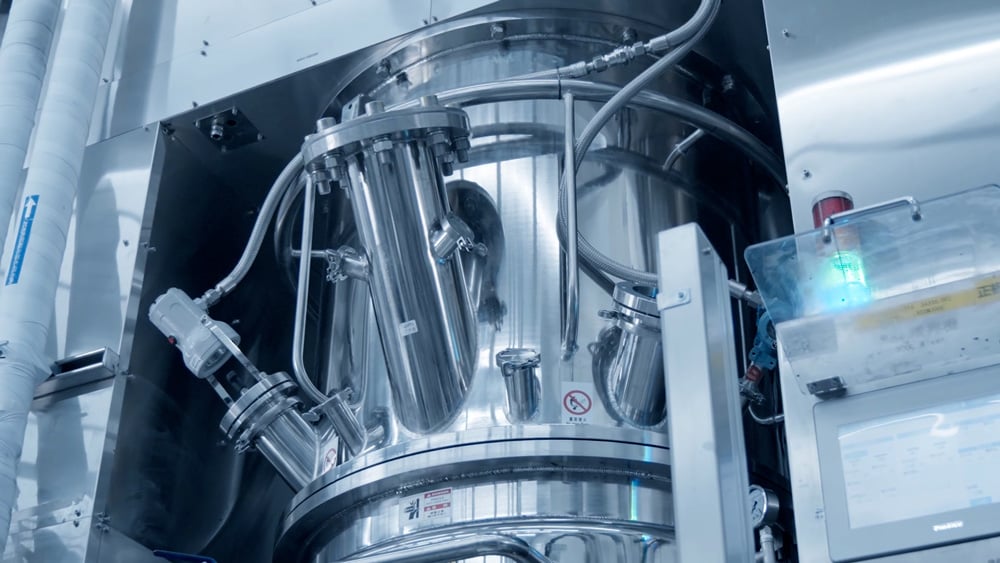
Before coating, core materials are precisely mixed to prepare the cathode, anode, and ceramic separator slurries that form the foundation of our lithium ceramic battery architecture.
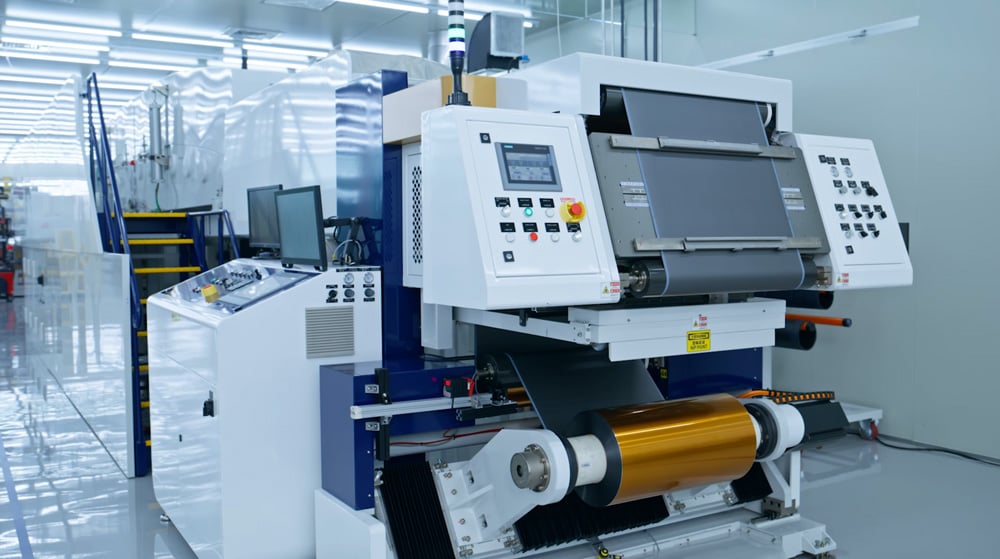
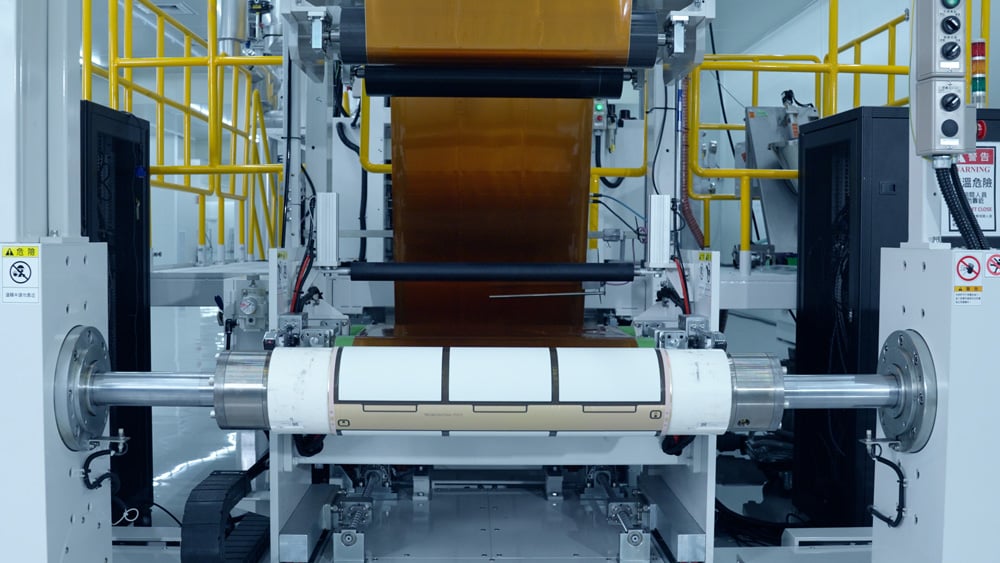
A protective carrier film is laminated on, alignment marks are printed for downstream registration, and a laser-etched QR code gives every roll a traceable identity before it passes quality inspection.
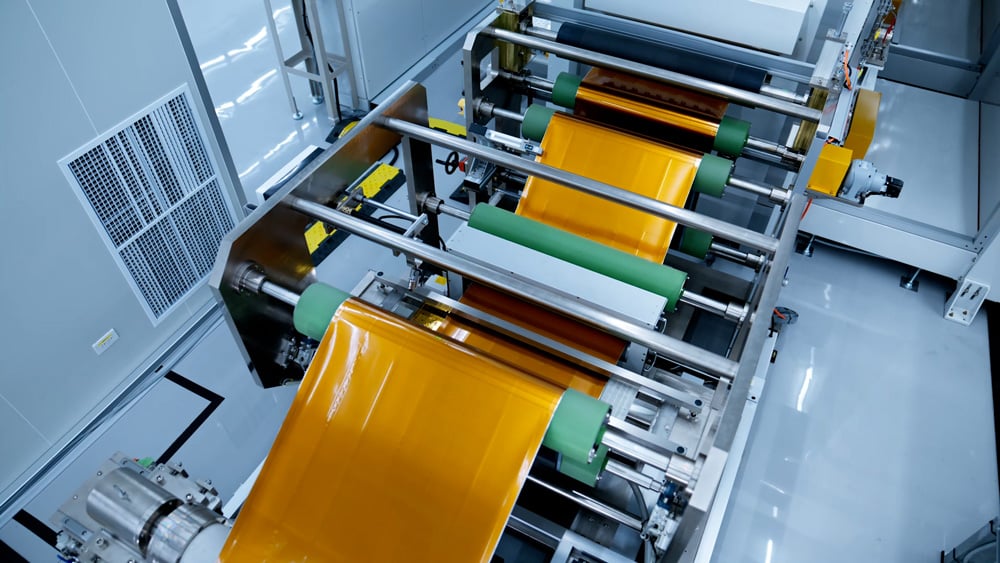
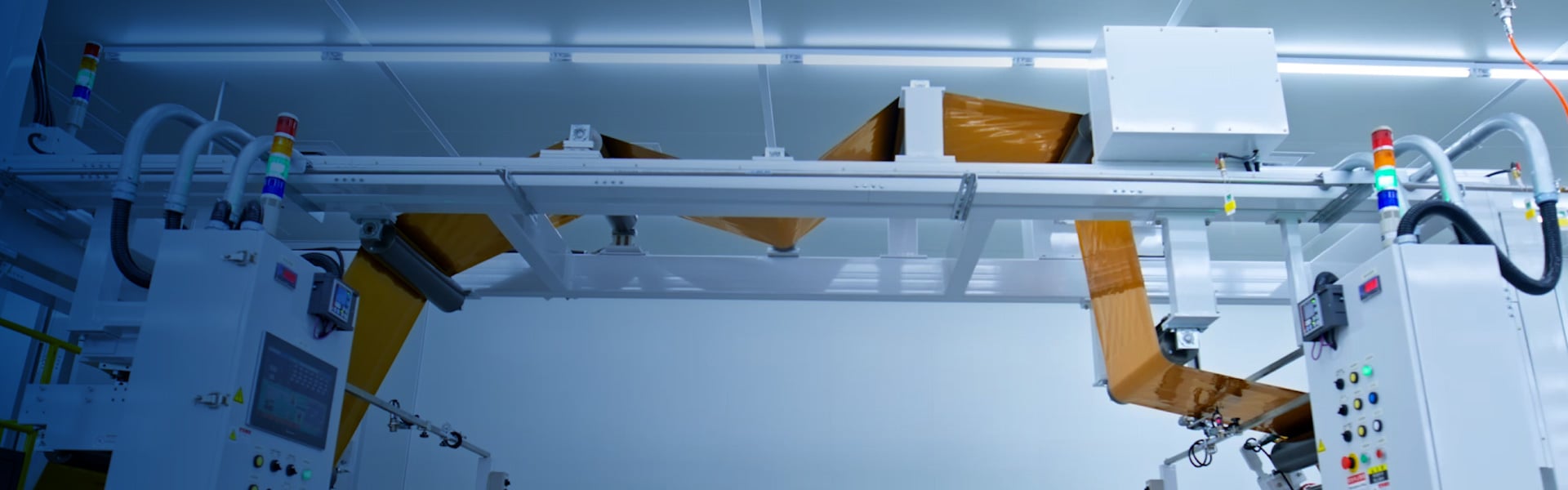
Slurry becomes a functional electrode through continuous wet coating, calendering, and controlled drying, reducing interfacial resistance between individual material layers and enabling stable layer-to-layer integration with the solid-state electrolyte.
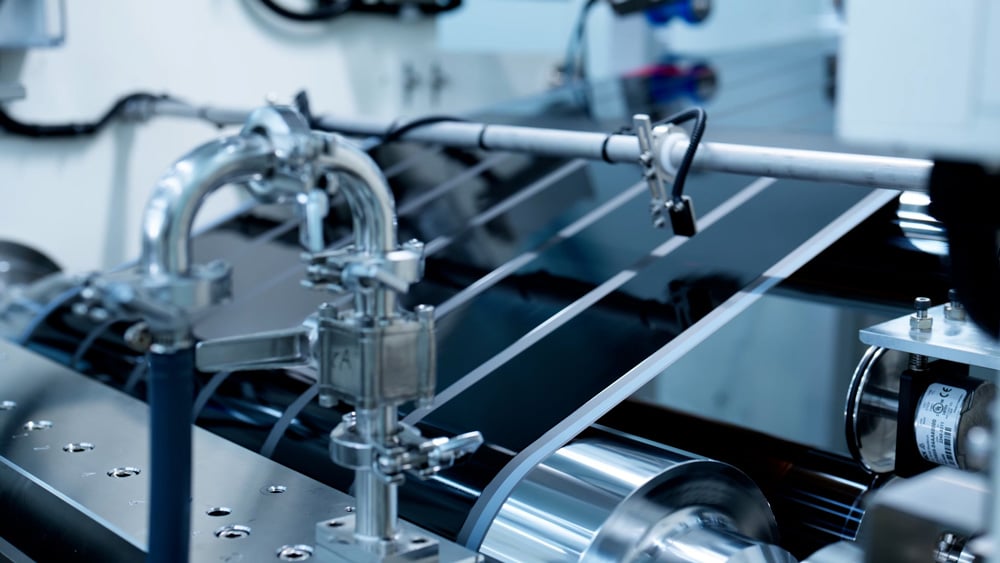
Alignment marks are printed directly onto the electrode to ensure precise positioning and registration during the downstream assembly process.
Hot-flow dehydration removes residual moisture from the ceramics within minutes, cutting processing time from eight hours to eight minutes.
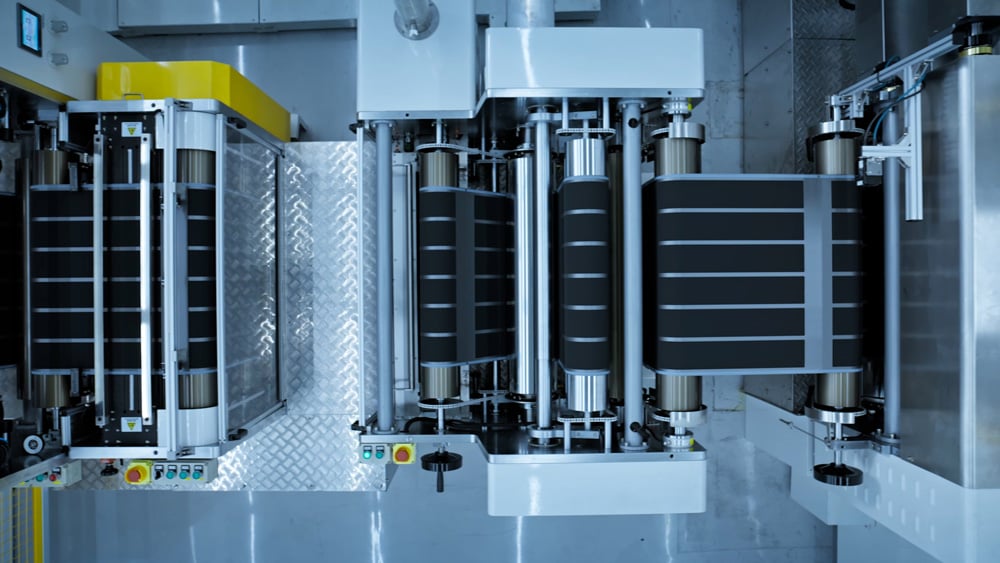
Matched cathode and anode electrodes are then precisely aligned and hot-pressed together in a single step to form an inlay—a semi-finished cell that integrates the electrodes and electrolyte into a single structure. Enabled by our patented Logithium® structure, the Logithium® frame adhesive (a thermosetting, silicone-based structure) printed on the electrode reinforces the cell architecture during bonding while guarding against moisture and edge short-circuits.
The integrated structure fuses the all-ceramic separator to the electrodes and maintains low interfacial resistance throughout the cell’s lifetime.
Cell Package
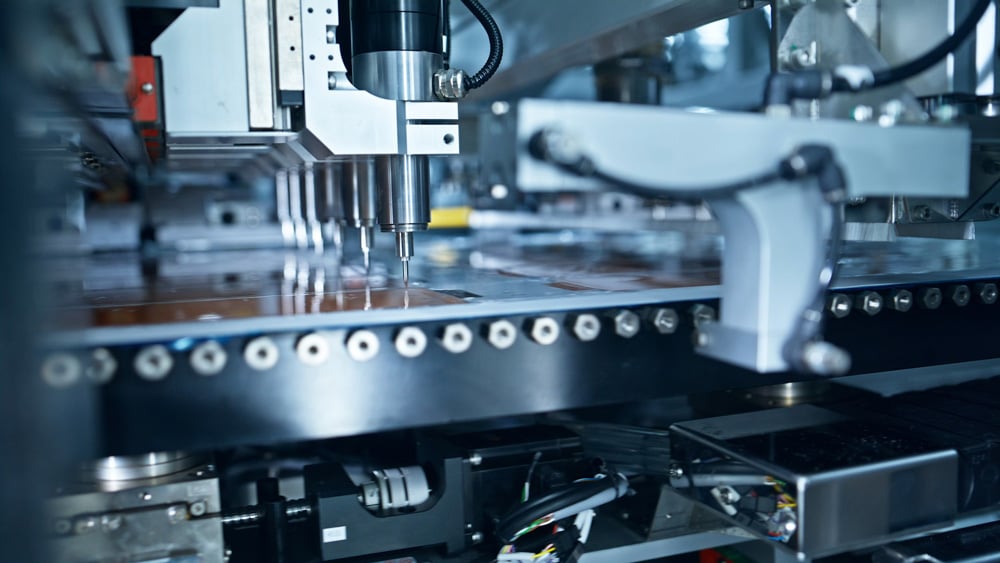
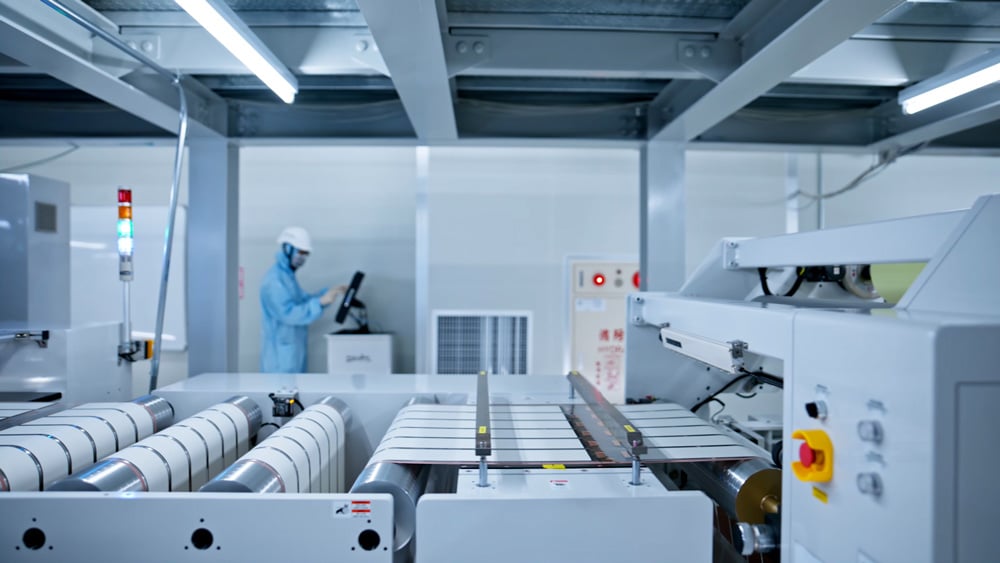
Each inlay is precision-cut to its final product size, and its protective carrier film is peeled away.
Every unit then passes an open-circuit voltage test that screens out short-circuit defects before moving into stacking. Cells are combined through parallel connection or our BiPolar+ architecture, enabling series and parallel configurations with minimal additional hardware.
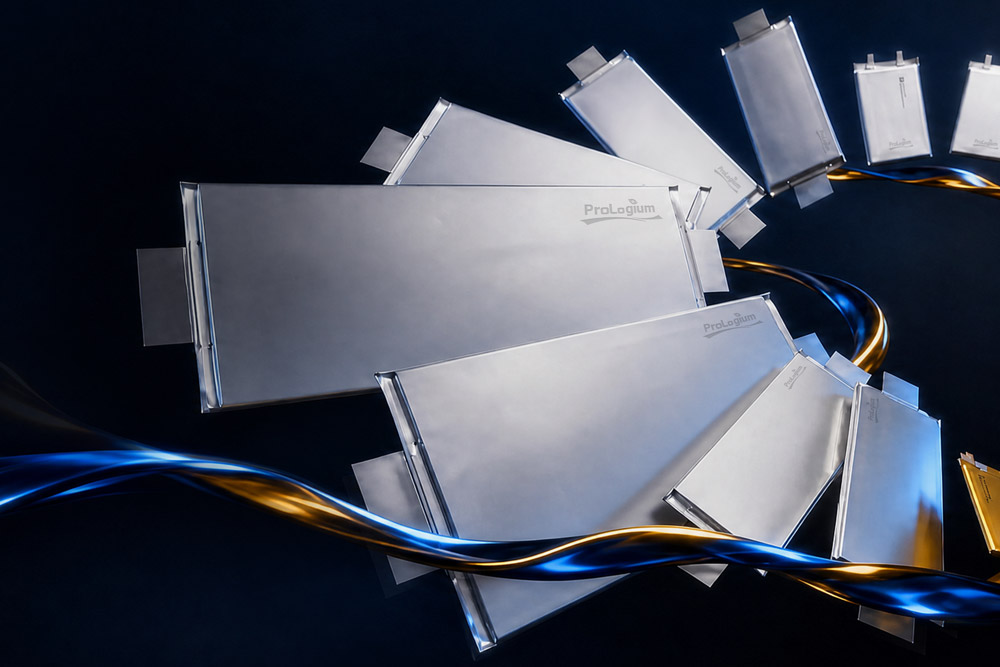
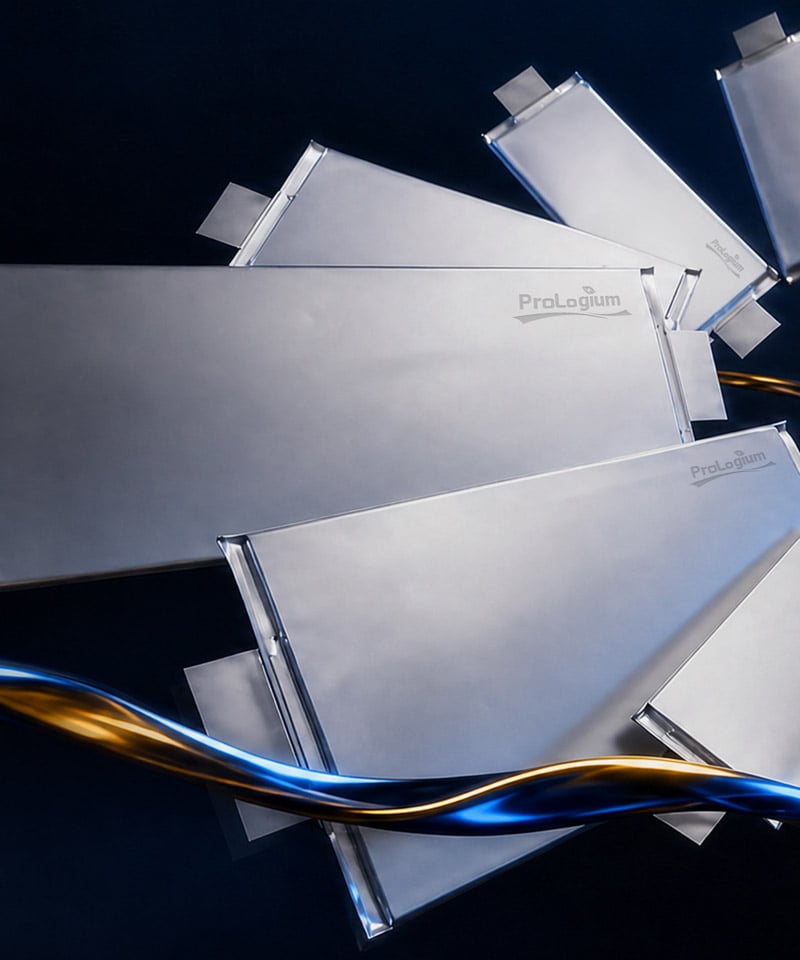
The completed cells then proceed through packaging and formation to achieve final performance. Compared with conventional battery manufacturing, our process eliminates electrolyte injection, vacuum impregnation, degassing, and resealing steps, simplifying production while improving process efficiency.
Lorem ipsum dolor sit amet
consectoli tur adipiscing elit
semper dalar.
Learn more →
Lorem ipsum dolor sit amet
consectoli tur adipiscing elit
semper dalar.
Learn more →